Do You Need a Trading VPS? When It Helps, When It Does Not, and When It Is Not Allowed
4 min read · last fact-check 2026-07-28
An EA is managing an open trade at 2:00 a.m. when the laptop loses power. The broker still holds the fixed Stop Loss it already accepted — but the EA's dynamic exits, the trade copier and the monitoring connector all stopped with the laptop. A VPS (a virtual computer in a data center that keeps your platform running independently of your home electricity, internet and PC) removes that particular dependency. It is not for everyone.
Short answer: Consider a VPS when approved trading logic, trade copying or monitoring must run continuously on a desktop terminal and an interruption would create material risk. You may not need one if you trade manually, rely only on broker-server orders, or use approved platform-native cloud execution. And never rent one before verifying your program's automation, geolocation and personal-use rules.
First, know where each instruction lives
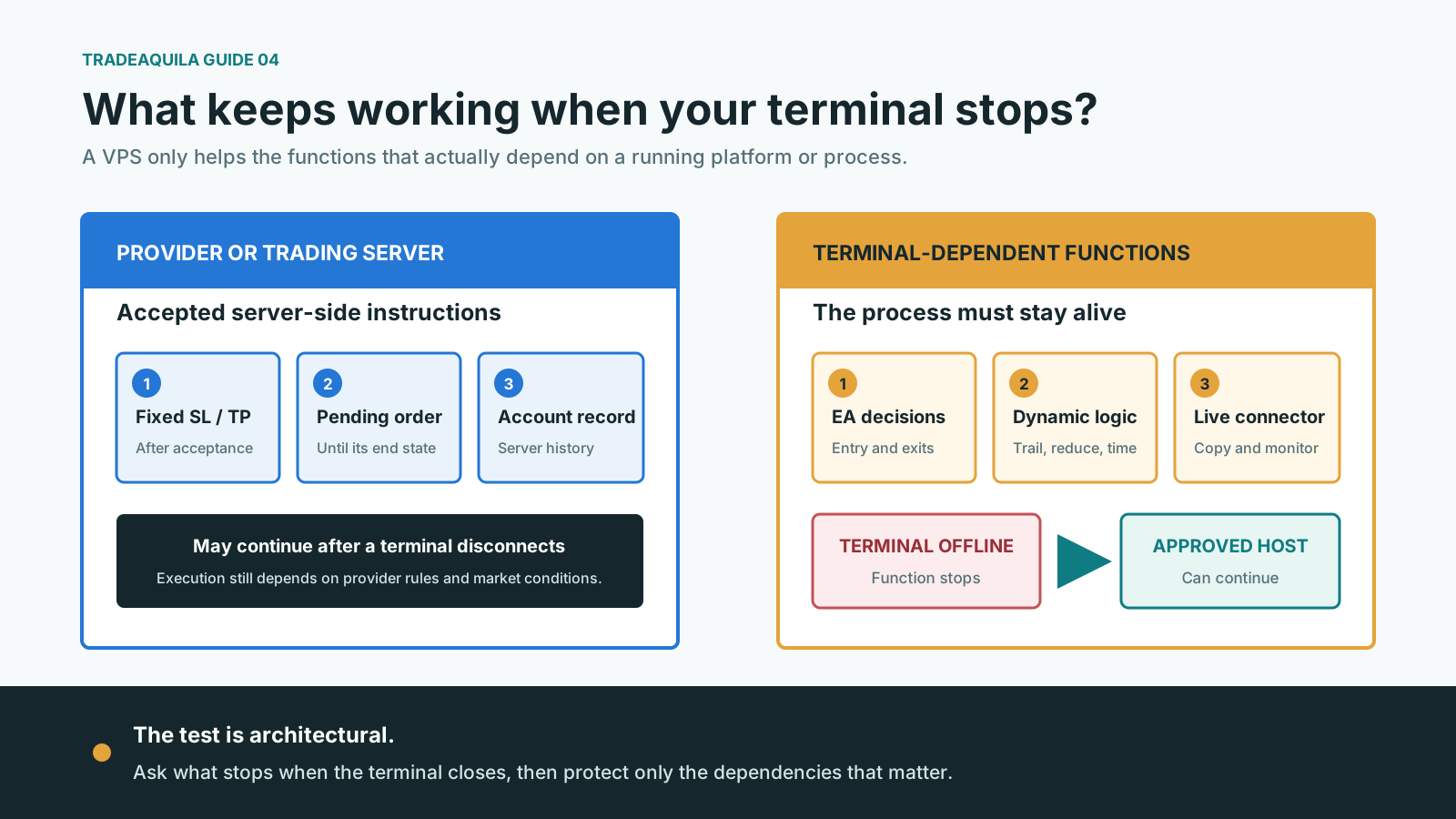
Every trading function runs somewhere, and only what runs on your machine dies with it:
- Survives your laptop: accepted fixed SL/TP and pending orders (stored on the broker's server), your account history.
- Dies with your laptop: EA entry and exit logic, MetaTrader trailing stops (terminal-side!), break-even moves, basket loss limits, trade copiers, dashboard connectors and alerts.
The diagnostic is simple: close your terminal on a demo and note what stops. Anything that stops is a continuity dependency — a VPS is one way to move it off your home machine.
When it helps — and when it adds nothing
Likely useful: an EA or API strategy that must run 24/5; terminal-side risk logic (trailing, partial exits, portfolio limits); approved trade copying between accounts; a monitoring connector that should keep pushing equity, positions and alerts while you sleep; latency-sensitive execution, since a server near your broker's transmits with less delay.
Likely pointless: manual trading through a web or mobile platform; strategies protected entirely by broker-server orders; platforms that already run your algo in their own cloud (cTrader Cloud, MetaTrader Virtual Hosting). A VPS you don't need is just cost, maintenance and attack surface.
Permission comes before performance
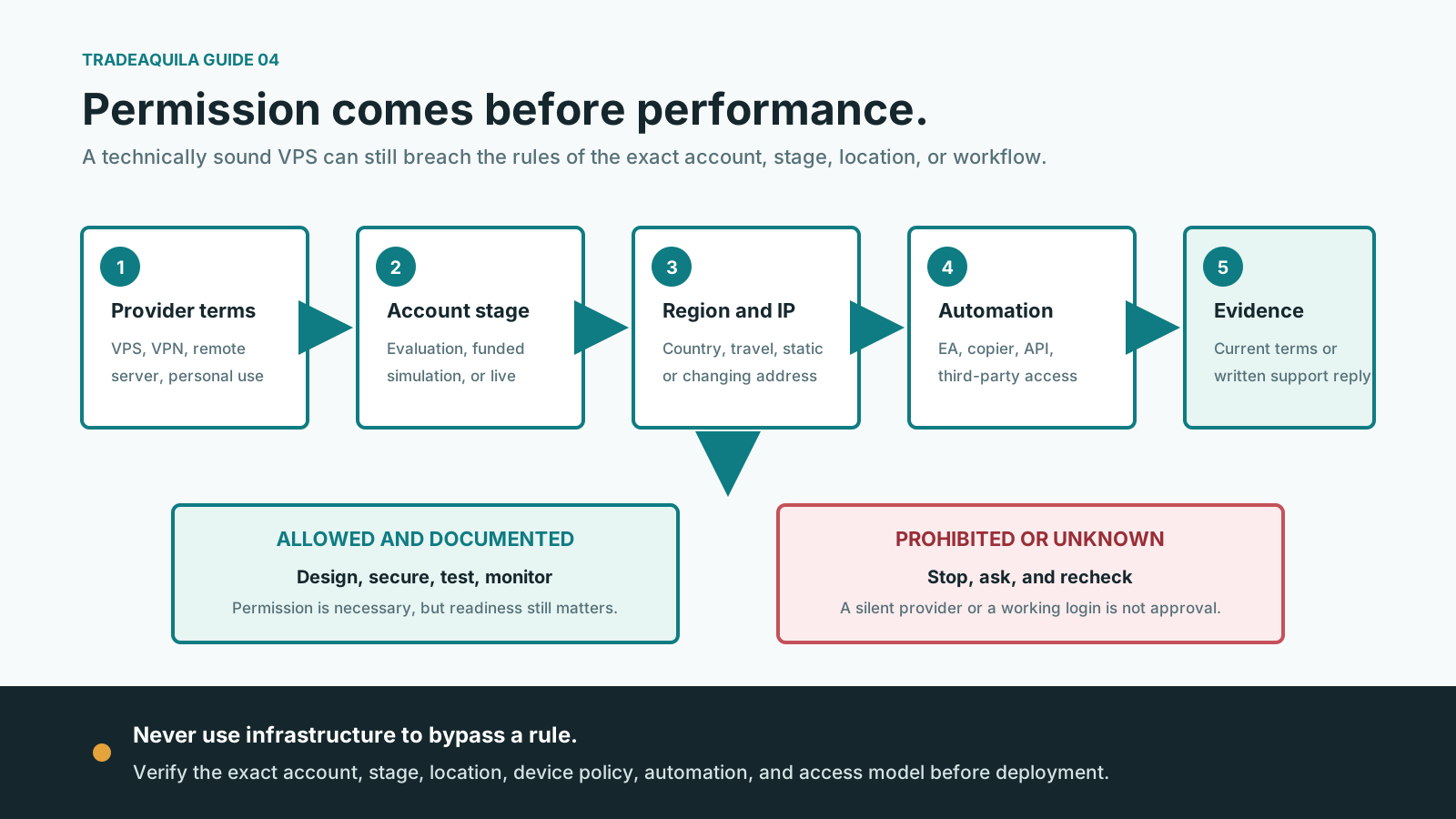
This is the step traders skip. Funded programs and brokers can restrict remote servers: some prohibit VPS use outright on certain account stages, some restrict shared IPs or specific data centers, some flag logins from a country different from yours, and copying between accounts can breach rules even when the VPS itself is allowed. Verify the current written rules of your program and account stage first — technical capability is not contractual permission.
Continuity, not immunity
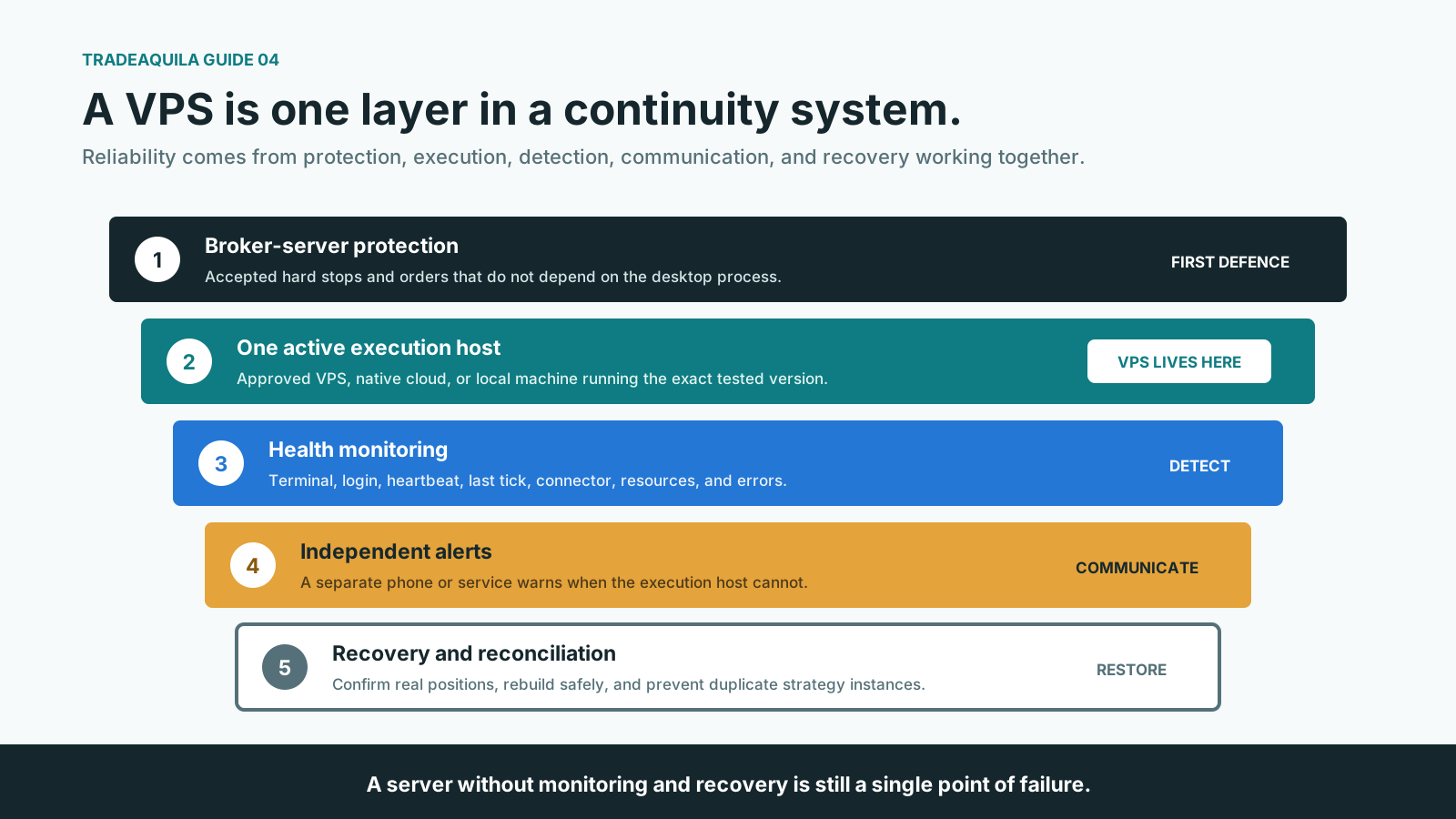
A VPS is one more computer that can fail. It does not guarantee fills, uptime or profits, and a poorly secured one (open RDP, weak password, no updates) adds risk instead of removing it. Build a stack rather than a lonely server: server-side catastrophic stops where the strategy permits them, a monitored VPS for the terminal-side logic, independent monitoring that alerts you when the feed goes quiet, and a written recovery procedure for the day the VPS itself dies.
The full guide adds the three hosting models compared, security hardening steps, a deployment checklist, five worked trader profiles and how to choose a provider once permission is confirmed.
Educational content, not investment advice. Program and broker rules change — verify the current terms before renting or connecting anything.
Read the full article — 17 min